
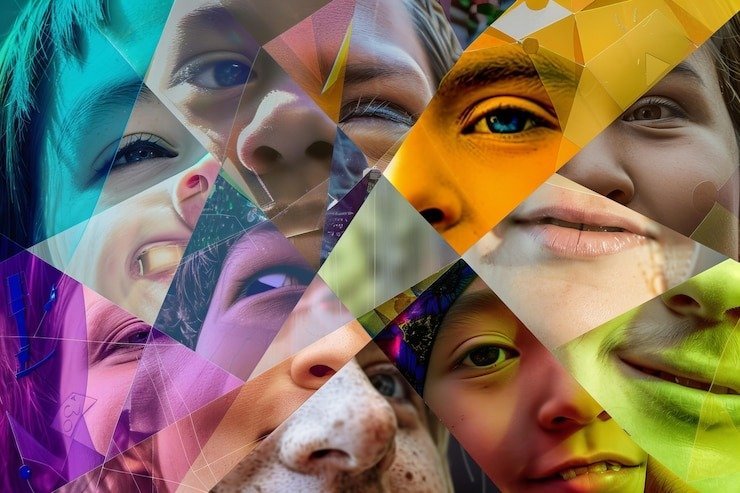
In today’s digital age, the way we connect, search, and access information has transcended the traditional limitations of geography, culture, and technology. The world has become more intertwined than ever, and unlocking the future means embracing a paradigm shift that allows individuals and organizations to navigate this complex landscape with ease and efficiency. In this article, we will explore the key components of networking, the evolution of search methodologies, and the strategies to access information beyond conventional boundaries.
The Power of Networking
Networking is at the core of human interaction, and its importance has only grown in our hyper-connected world. The advent of social media, professional networks, and online communities has revolutionized the way we engage with others. Networking today is not just about exchanging business cards; it’s about creating meaningful connections that can lead to collaboration, innovation, and growth.
1. Building Relationships: Effective networking is about quality over quantity. Building genuine relationships requires time, effort, and mutual respect. Leveraging platforms like LinkedIn, industry forums, and local meetups can help facilitate these connections.
2. Accessing Diverse Perspectives: A diverse network allows individuals to gain insights from varying backgrounds, experiences, and industries. This diversity fosters creativity and encourages innovative problem-solving.
3. Collaboration Opportunities: The network you cultivate can lead to collaboration opportunities that may not have been possible in isolated environments. Partnering with others can produce far-reaching results, driving projects forward and enhancing learning.
“Networking is not about just connecting people. It’s about connecting people with people, people with ideas, and people with opportunities.”
The Evolution of Search Methodologies
As our world becomes increasingly digital, the way we search for information has evolved significantly. Gone are the days of relying solely on textbooks or static resources. Today, we have a multitude of powerful tools at our fingertips that empower us to find the information we need quickly and efficiently.
1. Search Engines: Search engines like Google have revolutionized the way we access information. With advanced algorithms and machine learning capabilities, search engines can deliver personalized results based on user behavior and preferences. However, users must learn to refine their search queries to maximize the effectiveness of these tools.
2. Semantic Search: Modern search technologies employ semantic search capabilities, which understand the context of queries rather than just focusing on keywords. This evolution means that users can find relevant information even if their queries are not perfectly phrased.
3. Voice and Visual Search: The rise of voice assistants and visual search technologies is reshaping how we interact with search engines. Users can now search for information using natural language and images, making the process more intuitive and accessible.
Accessing Information Beyond Conventional Boundaries
Accessing information has always been a challenge, especially when dealing with borders, language barriers, and resource limitations. In the future, overcoming these challenges will be crucial for unlocking potential and fostering global collaboration.
1. Global Collaboration Tools: Tools like Slack, Zoom, and Asana enable teams from different parts of the world to collaborate seamlessly. These platforms break down geographical barriers and allow for real-time communication and project management.
2. Open Access Initiatives: The rise of open access journals and repositories has democratized information access. Researchers and learners can now access studies, papers, and findings without the traditional paywalls, fostering a culture of knowledge sharing.
3. Language Translation Technology: Advances in translation technology are making it easier for individuals to access information in different languages. Real-time translation tools can help bridge communication gaps and ensure that valuable insights are not lost in translation.
The Future is Collaborative and Innovative
Unlocking the future of networking, search, and access is not just about technology; it’s also about a mindset shift towards collaboration and innovation. By embracing these principles, individuals and organizations can thrive in an interconnected world.
1. Encouraging Lifelong Learning: Embracing a culture of continuous learning will be essential as new technologies and methodologies emerge. Staying informed and adaptable will empower individuals to navigate the future effectively.
2. Fostering Inclusivity: The future must prioritize inclusivity, ensuring that all individuals have access to resources, information, and networks. This collective effort can lead to a more equitable and innovative society.
3. Embracing Change: As technology continues to evolve, the willingness to adapt and embrace change will be crucial for success. Organizations and individuals alike must remain open to new ideas and approaches to stay ahead in an ever-changing landscape.
Our contribution
As we move forward into a future defined by connectivity, the ability to network, search, and access information beyond boundaries will become increasingly important. By cultivating meaningful relationships, leveraging advanced search technologies, and breaking down barriers, we can unlock a world of possibilities. The journey of unlocking the future is not just about individual success but about collective progress, fostering collaboration, and ensuring that knowledge and opportunity are accessible to all.
