
In today’s fast-paced world, the concept of the workspace is evolving at an unprecedented rate. No longer confined to traditional office settings, the workspace has transformed into a dynamic environment that adapts to the needs of its users. As we move further into the 21st century, envisioning the future of our workspaces is not just beneficial, but essential for enhancing task efficiency and overall productivity. This article explores various ways to redesign and optimize your workspace, ensuring that it meets the demands of modern work life.
The Importance of a Well-Designed Workspace
A well-designed workspace is crucial for fostering creativity, collaboration, and productivity. It can significantly impact employee morale and well-being, which in turn affects performance and output. The future workspace should promote flexibility, comfort, and functionality. By addressing these elements, we can create environments that inspire innovation and efficiency.
1. Embracing Technology
The integration of technology into our workspaces cannot be overstated. As we envision the future, incorporating advanced technological tools is a priority. Smart desks equipped with height-adjustable features, integrated charging stations, and built-in screens can enhance comfort and convenience. Furthermore, utilizing software solutions for project management, communication, and collaboration ensures that teams can work seamlessly, regardless of their physical location.
Virtual Reality and Augmented Reality
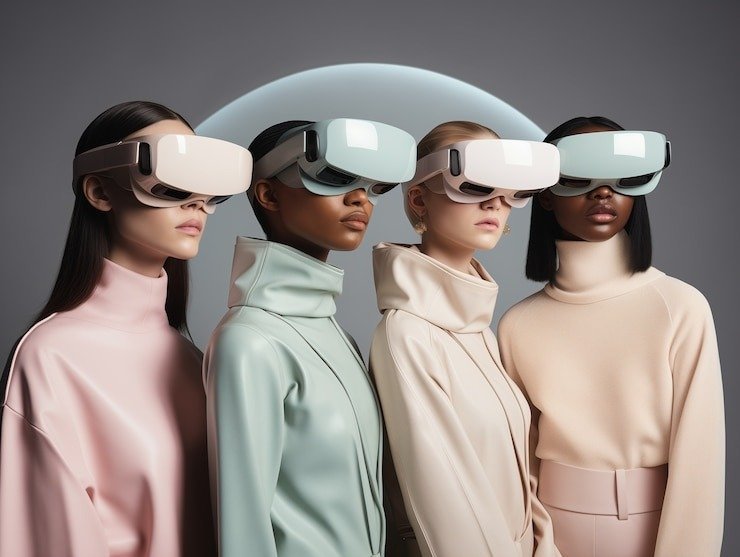
Virtual and augmented reality tools are beginning to reshape how we engage with our workspaces. These technologies allow employees to visualize complex data and collaborate in immersive environments. Future workspaces might include virtual meeting rooms where participants can interact as if they were physically present, thereby bridging the gap between remote and in-office work.
2. Flexible Layouts and Design
The traditional cubicle setup is becoming obsolete. Modern workspaces should embrace flexibility with adjustable layouts that can be reconfigured to suit the task at hand. Open-plan spaces encourage collaboration, while designated quiet zones allow for focused work. Implementing movable partitions, modular furniture, and multi-functional areas can help create a fluid environment that adapts to individual and team needs.
Natural Elements
Incorporating natural elements into workspace design can greatly enhance employee well-being. Biophilic design, which emphasizes the connection between people and nature, can improve mood and productivity. Consider adding indoor plants, natural light through large windows, or even water features. These elements not only beautify the workspace but also create a calming atmosphere conducive to concentration and creativity.
3. Ergonomics and Comfort
Ergonomics plays a vital role in task efficiency. A workspace that prioritizes comfort can significantly reduce fatigue and physical strain, allowing employees to focus on their tasks. Investing in ergonomic chairs, adjustable desks, and proper lighting can lead to improved posture and reduced health issues, ultimately enhancing productivity.
“Creating a workspace that caters to the physical and mental well-being of its users is not just a trend; it’s a necessity for fostering a culture of efficiency and innovation.”
4. Encouraging Collaboration and Social Interaction
While focused work is important, collaboration and social interaction are equally vital to a productive workspace. The future workspace should facilitate both. Designing communal areas like lounges, coffee stations, or game rooms encourages employees to connect and share ideas, which can lead to innovative solutions and a more cohesive team.
Technology-Enhanced Collaboration Spaces
Collaboration spaces equipped with whiteboards, video conferencing tools, and brainstorming software can encourage teamwork. These spaces should be easily accessible and designed to inspire creativity. By creating environments that foster collaboration, organizations can harness the collective intelligence of their teams.
5. Sustainability and Eco-Friendliness
As we envision the future, sustainability should be at the forefront of workspace design. Eco-friendly materials, energy-efficient appliances, and sustainable practices can reduce the environmental impact of a workspace. Encouraging recycling, using renewable energy sources, and promoting remote work can contribute to a greener future. Not only does this appeal to environmentally conscious employees, but it also helps organizations reduce costs over time.
6. Personalization and Autonomy
Allowing employees to personalize their workspace can lead to increased job satisfaction and motivation. When individuals have the freedom to express their personalities through their work environment, they are more likely to feel connected to their work. Consider implementing policies that encourage personalization, such as allowing employees to bring in personal items or decorate their spaces.
Our contribution
Envisioning the future of workspaces involves a commitment to creating environments that enhance task efficiency while prioritizing the well-being of employees. By embracing technology, fostering flexibility, prioritizing comfort, encouraging collaboration, adopting sustainable practices, and allowing for personalization, organizations can cultivate spaces that inspire productivity and innovation. As we move forward, it’s essential to keep these elements in mind to create workspaces that not only meet the demands of the future but also promote a thriving work culture.
In conclusion, transforming your workspace is an ongoing process that requires thoughtful consideration of the needs and preferences of its users. By envisioning a workspace that reflects these principles, you can create an environment that empowers individuals and teams to perform at their best, paving the way for a successful future.
